
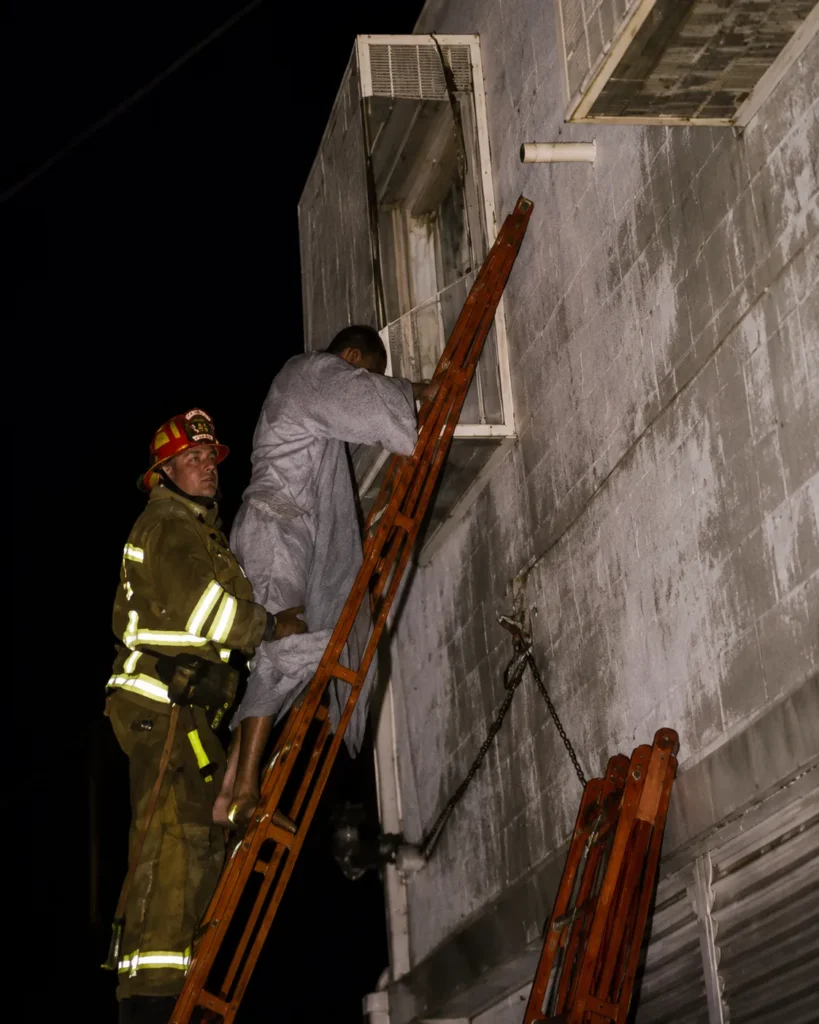

Where Have All The Ladders Gone?
It seems that a certain phenomenon has occurred to the fire service, one that in my opinion has not benefited the safety and efficiency of our personnel on the fireground.
Has anyone noticed the lack of ladders thrown at the scene of fires in recent times? How many times have you arrived on scene of a structure fire to find a single ladder thrown to the roof for Roof Division? Have you ever been told that we don’t have the available staffing to throw ladders to windows for rescue or potential firefighter egress on two story occupancies? Better yet, when was the last time your Captain took you out to throw ladders on actual buildings, or did he/she use the BS excuse, “We need permission from the building owner, I don’t want to get in trouble.”
Once again, the bottom line remains, we have gotten away from the tradition of throwing multiple ladders on the fireground and made excuses as to why we have done so. As a rule we always have taught our personnel to throw two (2) ladders to a roof for means of access and egress from that area, yet, how often does that occur? More often than not, the second-due truck will use the same ladder that was thrown by the first-due truck as their means of access to the roof. This should be regarded as criminal.
I am asked my opinion on why I feel we have gotten away from throwing multiple ladders at the scene of working incidents. Although, not a scientific answer, I believe we have added so many other components to our list of “have to do’s” on the fireground, we have taken an already understaffed fireground and tasked them with more objectives. Hence, we have cut back on items that have been incorrectly viewed as non-essential in an effort to check the boxes of the things that some committee has deemed essential.
Let’s look at a few ways of getting the ladders back as part of our arsenal of safety and efficiency equipment list.
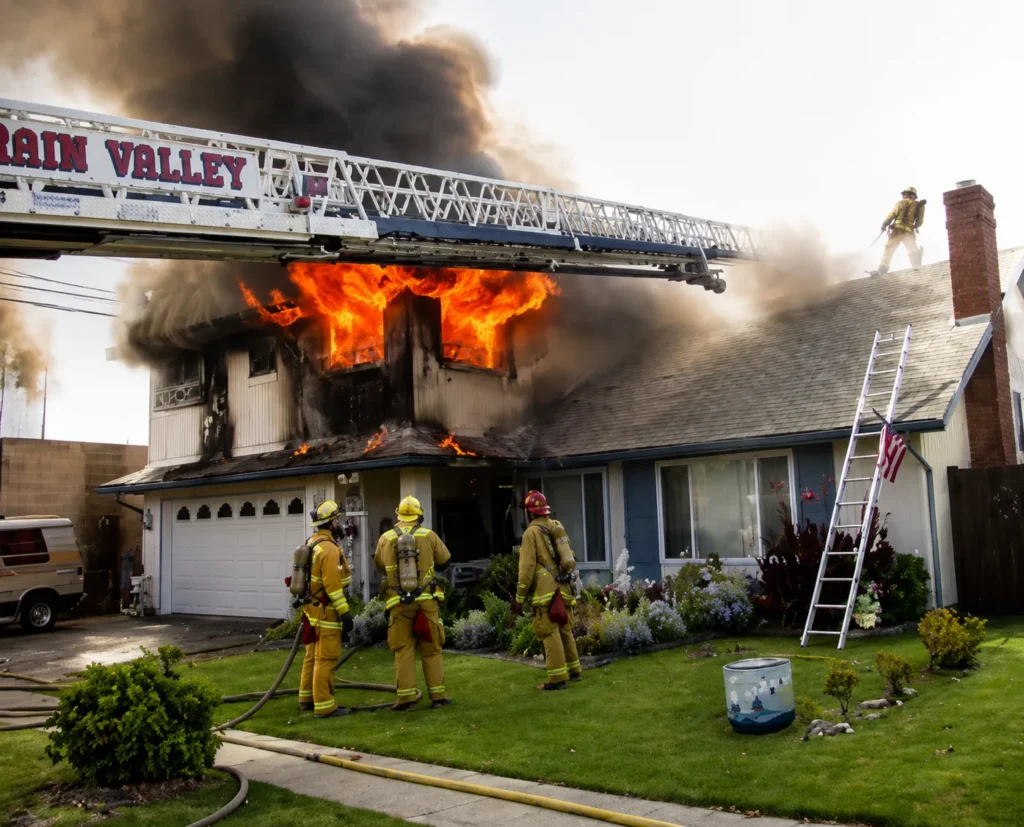
First-Due Trucks & Second-Due Trucks
Ladder Size Up or establishing a Ladder Package is the primary tool for all truck companies. It should be pre-established who throws which ladder and what ladders are thrown based upon the occupancy group i.e. residential vs. commercial, and occupancy type i.e. single family residential vs. multi-family habitational.
It should be well established within your organization that the fastest and safest one person ladder is the aerial, yet, all too often the aerial is seldom used at the scene of the fire until the incident has gone defensive. Generally this is due to the apparatus not being capable of capturing the spot to utilize or set up the aerial for offensive operations. This is a training and procedural issue within the organization. First-due company officers all too often think they need to position their apparatus with the cross-lay lined-up with the front door. This is a huge mistake. Remember, you can pull an extra 100’ of hose. The aerial only has so much ladder and believe me, you will thank the truckies for the fast aggressive ventilation when the interior clears up and is more tenable to make your attack.
Next, First-Due Truck Company personnel not throwing two ladders on multi-story occupancies is unacceptable, all first-due truck companies should be capable of throwing at a minimum the aerial and a 35’ft ladder to a multi-story occupancy and perform ventilation operations in a timely fashion. The key to success in this operation is known, well established set-up procedures, positional riding assignments, Ladder Packages based upon occupancies and the last but most important item of all is, TRAINING, TRAINING, TRAINING!
Most truck companies should be capable of throwing two ladders of any type and accessing the roof in less than 2 minutes 30 seconds from time of arrival. This is an acceptable standard. This includes full use of PPE and all necessary equipment operational on the roof.
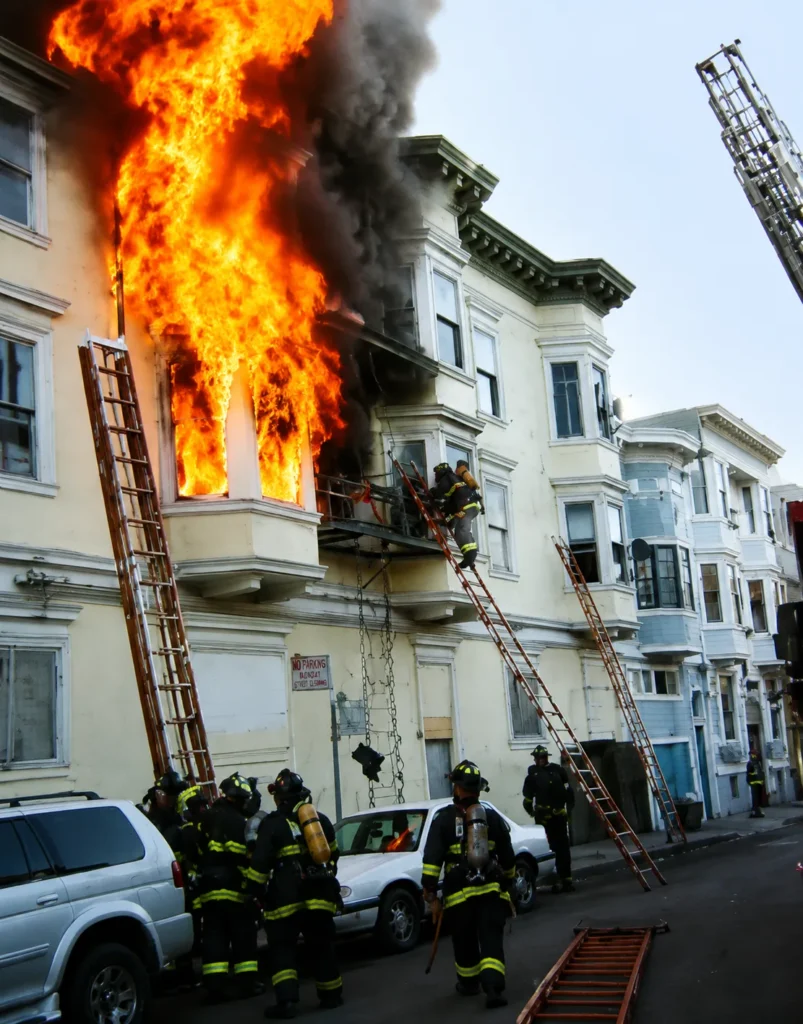
Regarding Second-Due Trucks or units assigned to assist Roof Division, any company that has been assigned to the roof to assist with roof top operations, shall utilize their own means of access and egress, even if this is a single family dwelling. If things go bad and multiple personnel need to egress off the roof, one ladder per company is the bare minimum.
If you are assigned to the roof as a second-due company, and the first due truck was only able to throw a single ladder for access and egress, make it a point to throw two (2) ladders for a total of three (3) on the incident.
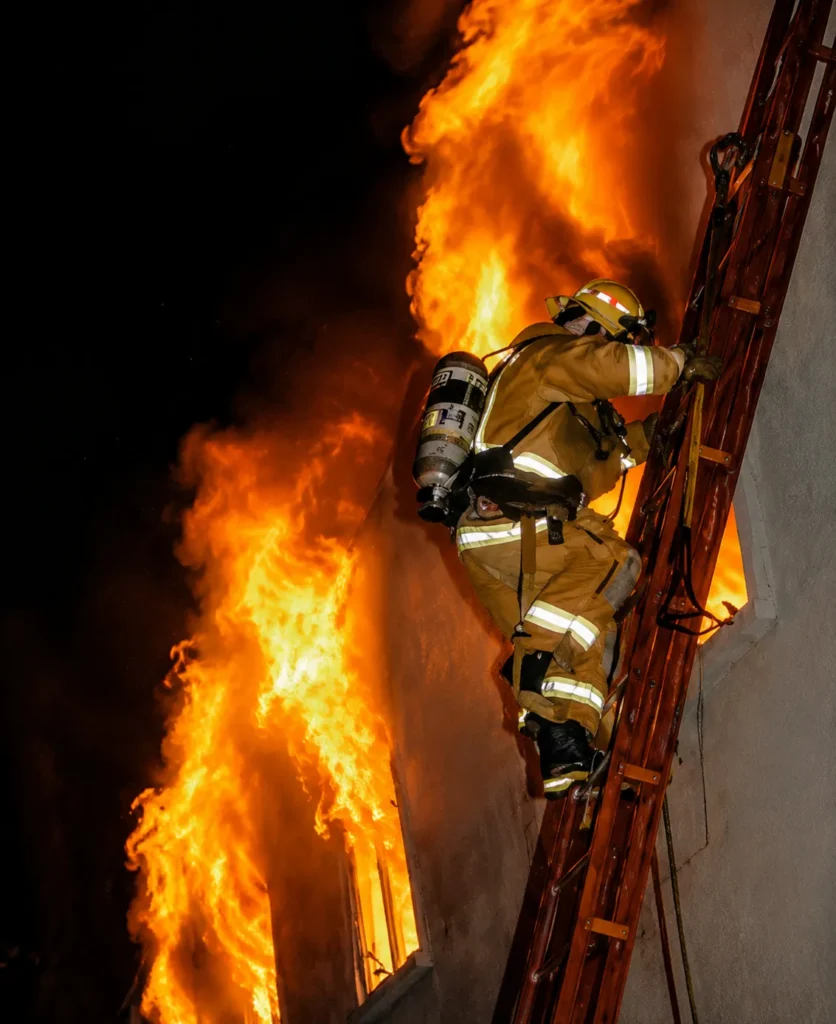
A SAFETY NOTE: Never move an established aerial from its original position unless you are the individual that placed the aerial there in the first place or your have made direct contact with the company/individual that did and you have absolute permission to do so.
RIC Companies:
As previously discussed in other articles, a primary purpose of RIC Companies is the elimination of hazards before they become a problem for firefighters on scene. One such method is the pro-active placement of ladders for means of access and egress on the structure. If for instance, the first-due truck is operating on the roof with only one means of access and egress, the RIC Company Officer should direct his personnel to throw one (1) additional ladder to the area nearest the location of the members on the roof.
In another instance, if the RIC Officer is aware of operations above ground on the second floor, he/she should identify the area closest to the potential of a hostile event or structural failure and have additional ladders placed at windows at a 65% angle for firefighter egress. All members operating in that area shall then be notified via radio communications of the placement of those ladders and what area and division that has been placed upon.
Squads, Rescues and First Due Engineers:
Based upon your response configuration, many organizations respond medic units with two firefighter personnel to the incident as part of the original assignment. If this company is not generally assigned to establish a medical group, they are typically assigned to assist with some other fireground function. Unfortunately, often they are given the task of RIC and never supplemented by a full company. Yet, these two highly motivated individuals can be given the task of laddering the building or throwing additional ladders upon arrival then re-assigned to assist with other task on the fireground, such as secondary search, assist RIC, extension or medical group. Once again, the Incident Commander needs to think proactively and eliminate those hazards that are glaringly obvious before he needs to deploy a RIC or use a medical group.
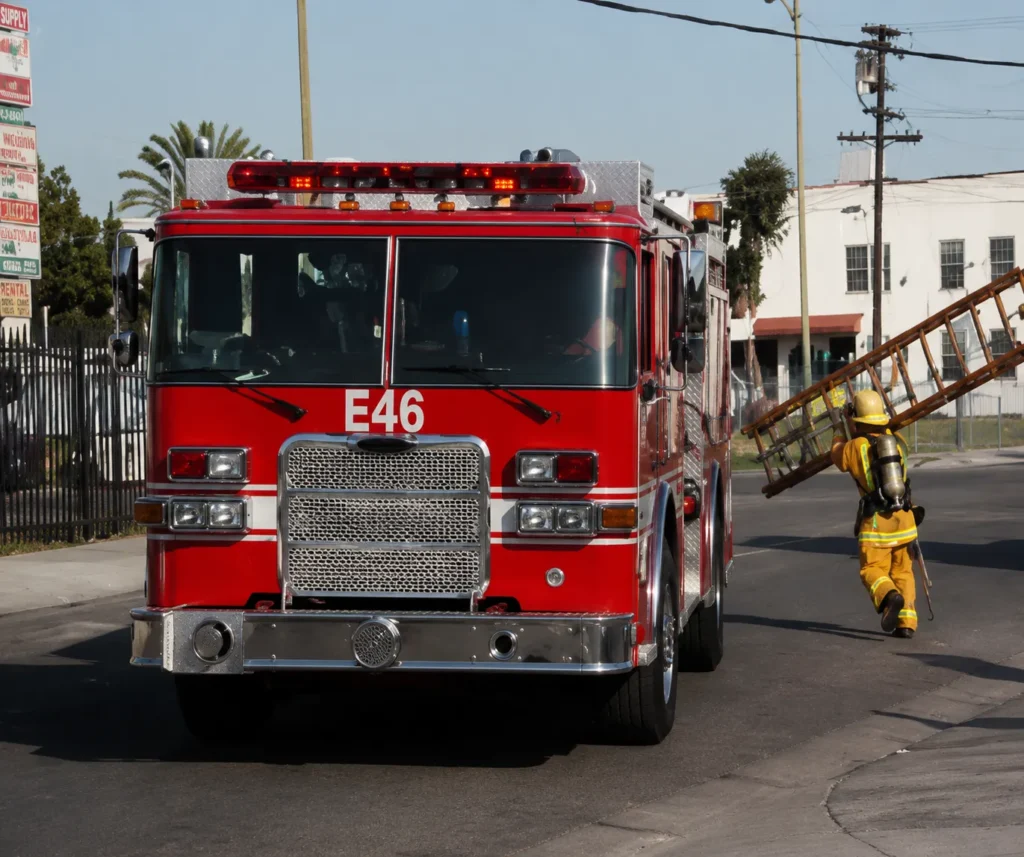
How many times have you heard an Ole’ Crusty Engineer say, “The job of an Engineer is busy for the first five minutes of the fire, then I just sit back and watch.” And for the most part they are telling you the truth, but I would also imagine that many of those Ole’ Crusty Engineers neglected to tell you they are the primary Safety Officer on the scene of the fire as well.
Many times, I have been assigned to the roof of a single family dwelling, only to have an additional ladder thrown to the area of operations by the First-Due Engineer. With his keen eye and experience behind him, he knows that once a water supply has been established and lines are stretched and in service, he has a moment to identify specific fireground hazards and take proactive action. One of those tasks could be throwing an additional straight ladder to the roof of a single family occupancy of the window where personnel may need immediate egress due to deteriorating conditions.
Finally, it’s key we recognize the importance of aggressive laddering operations for all personnel, not just our truck companies. All personnel need to be well versed in aggressive ladder placement and ladder packages related to occupancy groups and types. The importance of providing means of access and egress points on all above ground areas of a structure will greatly increase personnel safety.
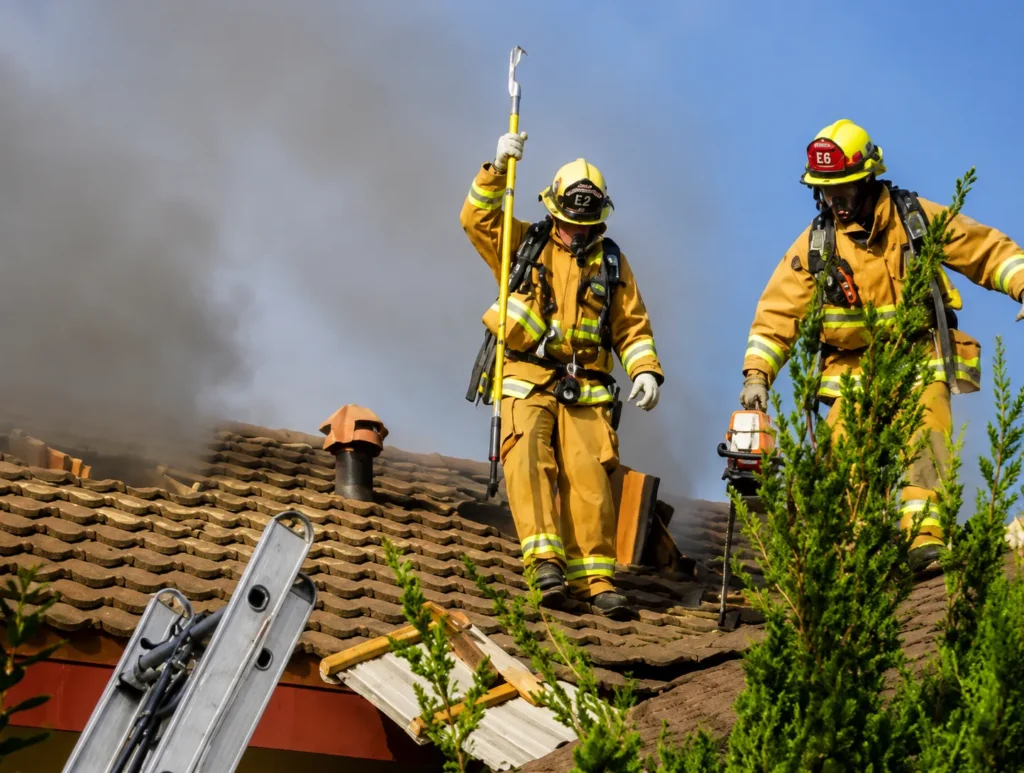
Company Officers need to take steps to assure all personnel assigned to their units have the ability to effectively perform laddering operations and have a solid understanding of ladder tactics as it relates to differing type of occupancies. Nothing can take the place of hands-on training and real world ladder operations in full PPE not just helmets and gloves. When we start wearing just helmets and gloves to structure fires, then our training should mirror that safe level of PPE.
Since I don’t see that as a viable option, train the way you fight fire and train as though your life and the lives of your brothers and sister depend upon it, because it does.
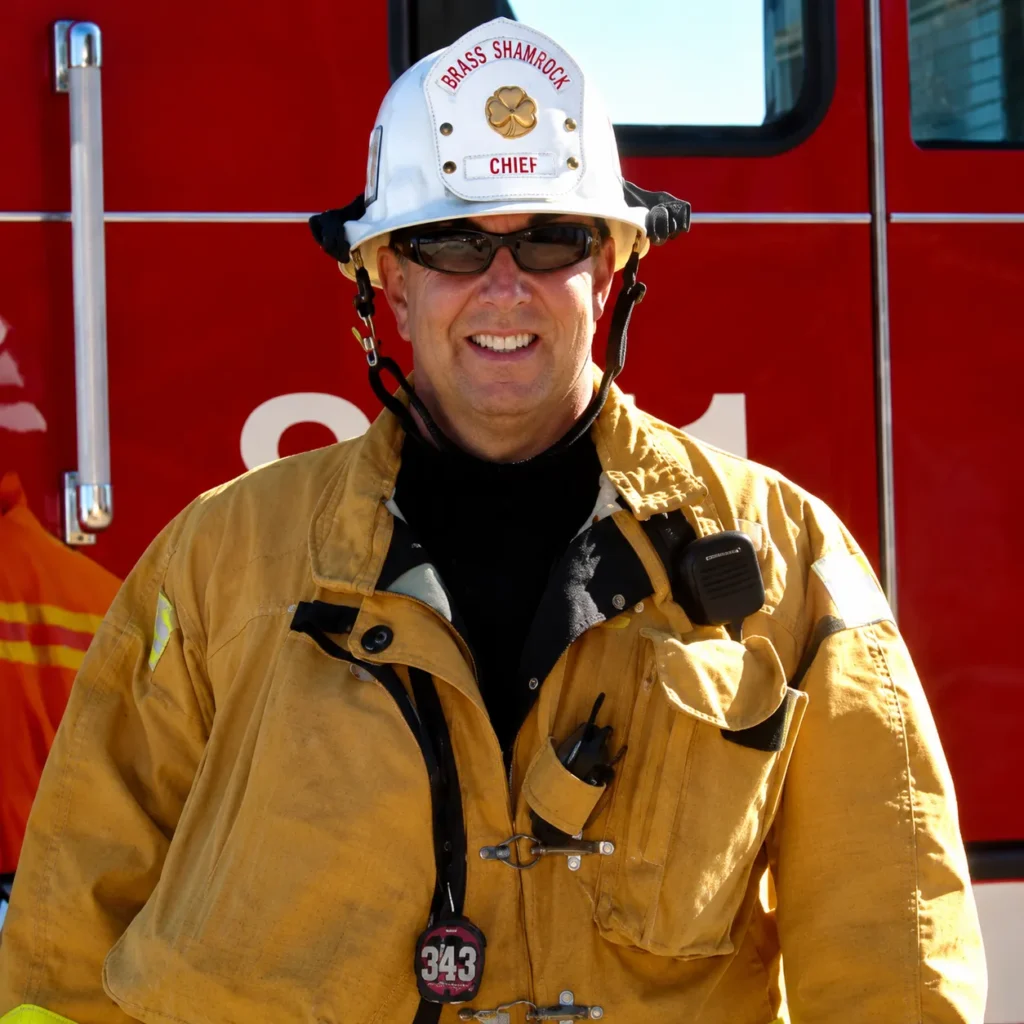
Article By: Battalion Chief Ed Hadfield
Battalion Chief Hadfield has spoken extensively on his leadership experiences to fire service professionals, corporate and civic leaders throughout the United States. A fire service professional with more than 20 years of active experience, he has achieved extraordinary success through mission-focused, participatory leadership and development. Chief Hadfield is renowned for the development and instruction of Company Officer development programs that has raised the bar of professionalism in today’s fire service ranks. As an Officer, he enjoyed the success of being named the 2004 California Training Officer of the Year, and throughout his career Chief Hadfield has been generally considered one of the foremost experts in Truck Company Operations, Firefighter Safety and Survivability and Mission Focused Command Tactics.
Photos courtesy of Firehouse.com Magazine and contributing photographers.
